
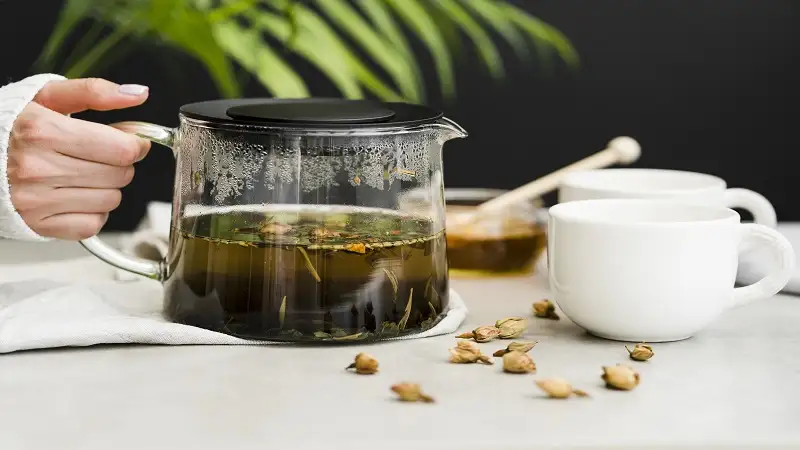
Kratom tea has become a subject of interest among people who want to learn more about the traditional ways kratom leaves have been prepared and consumed. Made from the leaves of the Mitragyna speciosa tree, kratom has a long history of traditional use in parts of Southeast Asia. Today, kratom products are available in several forms, including dried leaves, powders, capsules, and prepared beverages.
However, making or consuming kratom tea is not simply a matter of preparing an ordinary herbal drink. Kratom contains naturally occurring compounds that can affect the nervous system, and its effects can vary considerably between people and products. For that reason, understanding the plant, preparation principles, possible effects, and safety considerations is important.
This guide explains the general process and background of how to make a perfect kratom tea nitkafacts while focusing on responsible information rather than promoting kratom use.
What Is Kratom Tea?
Kratom tea is a beverage prepared using kratom leaves or kratom leaf material. The plant, scientifically known as Mitragyna speciosa, is native to Southeast Asia and belongs to the coffee family.
Traditionally, people in regions where the plant grows have used its leaves in different ways. Modern kratom products, however, can be considerably different from traditionally prepared leaves. Commercial products may vary in strength, purity, processing, and chemical composition.
The effects associated with kratom are primarily connected with compounds called alkaloids, particularly mitragynine and 7-hydroxymitragynine. These compounds interact with receptors in the body and can produce different effects depending on several factors.
Because of this variability, kratom tea should not automatically be treated like an ordinary caffeine-free herbal tea.
Understanding the Ingredients
A basic kratom tea generally involves kratom leaf material and water. Some people may add ordinary tea ingredients or flavorings to make the resulting beverage more pleasant.
The most important consideration is the quality and identity of the kratom product. Contaminated, adulterated, or inaccurately labeled products can present additional risks.
Unlike commercially standardized medicines, many kratom products do not have a consistent concentration of active compounds. Two products that appear similar may therefore produce different effects.
For anyone researching how to make a perfect kratom tea nitkafacts, this difference between traditional preparation and modern commercial products is an important point to understand.
General Preparation Method
Traditionally, kratom leaves have been prepared as a liquid infusion or decoction. The plant material is combined with water and processed so that some of its naturally occurring compounds enter the liquid.
Rather than treating kratom tea like a standard recipe with a fixed amount and preparation time, it is safer to recognize that the strength of the finished beverage can vary substantially.
People researching traditional preparation may encounter instructions involving heating or simmering plant material. However, the resulting strength depends on factors such as the type of plant material, processing, concentration, and individual product composition.
For that reason, there is no universally reliable recipe that guarantees a particular strength or effect.
Why Strength Can Vary
One of the biggest challenges with kratom products is inconsistency.
Several factors can influence the composition of a kratom preparation:
- The origin of the plant material
- The age and condition of the leaves
- How the leaves were dried
- How the material was processed
- The particular product or batch
- Possible contamination or adulteration
- The concentration of alkaloids
This means that a cup prepared from one product may not have the same characteristics as a cup prepared from another product.
A common mistake is assuming that a larger quantity necessarily produces a predictable or better result. In reality, increasing exposure can also increase the likelihood of unwanted effects.
Taste and Flavor Considerations
Kratom is commonly described as having a strong, bitter, or earthy taste. People who consume it may therefore combine it with other flavors.
Common beverage ingredients such as lemon, ginger, honey, or other flavorings can change the taste of a drink, but they do not remove the active compounds in kratom.
Adding flavoring should therefore be considered a matter of taste rather than a method for making kratom safer.
It is also worth remembering that mixing kratom with other substances can introduce additional risks. Combining substances without understanding their interactions can make effects less predictable.
Potential Effects of Kratom
Kratom can produce different effects depending on the person, product, and amount consumed. Reported effects can range from stimulation and increased alertness to relaxation and sedation.
Some people also report unwanted effects. These may include nausea, vomiting, constipation, sweating, dizziness, dry mouth, or increased heart rate.
More serious problems can occur, particularly when kratom is combined with other substances or when products are contaminated.
Anyone who experiences severe symptoms after consuming a kratom product should seek appropriate medical attention rather than attempting to manage serious reactions at home.
Important Safety Considerations
Kratom is not risk-free. Regular use may lead to tolerance, dependence, and withdrawal symptoms in some people.
Possible withdrawal symptoms can include irritability, sleep difficulties, muscle discomfort, restlessness, and other unpleasant effects. The severity and duration can differ between individuals.
Another concern is combining kratom with other substances. Interactions may be unpredictable, particularly when kratom is used alongside alcohol, sedatives, opioids, or other drugs that affect the central nervous system.
People who take prescription medicines should speak with a qualified healthcare professional before using kratom because potential interactions may occur.
Product Quality Matters
If someone is researching how to make a perfect kratom tea nitkafacts, product quality deserves as much attention as the preparation method.
Kratom products can differ significantly in quality. Some may contain contaminants, while others may be inaccurately labeled. Certain kratom products have also been associated with contamination concerns, including harmful microorganisms or unwanted substances.
Consumers should therefore be cautious about products making exaggerated health claims or promising guaranteed results.
A product described as “natural” is not automatically safe. Natural substances can still have significant effects on the body.
Legal Status Can Vary
The legal status of kratom differs between countries, states, provinces, and municipalities. Regulations can also change over time.
Before purchasing, possessing, or consuming kratom, people should check the laws applicable to their own location. Information from a current government or other authoritative legal source is preferable to relying on an old online article.
Travelers should be particularly careful because a product that is legal in one location may be restricted or prohibited somewhere else.
Who Should Be Especially Cautious?
Certain groups should take particular care with kratom.
People who are pregnant or breastfeeding, individuals with significant medical conditions, people taking prescription medicines, and those with a history of substance dependence should discuss potential risks with a healthcare professional before considering kratom.
Kratom should also be kept away from children and pets. A product intended for adults can be dangerous if accidentally consumed by someone or something for whom it was not intended.
What to Do If You Experience Problems
If someone develops concerning symptoms after consuming kratom, the appropriate response depends on the severity of those symptoms.
Mild symptoms such as nausea or dizziness may warrant stopping further consumption and monitoring the situation. More serious symptoms—including difficulty breathing, loss of consciousness, seizures, severe confusion, or other emergency signs—require immediate medical attention.
When seeking medical help, it is useful to tell healthcare professionals what product was consumed and whether other substances or medicines were involved.
A Responsible Approach to Kratom Information
There is considerable discussion online about kratom, but not all information is reliable. Some websites present kratom as completely harmless, while others may describe it only in terms of risks. A balanced approach is more useful.
Scientific evidence regarding kratom continues to develop, and researchers are still studying its effects, potential risks, and possible applications.
For anyone researching how to make a perfect kratom tea nitkafacts, the most important takeaway is that there is no preparation method that can guarantee a specific effect or eliminate the risks associated with kratom.
Final Thoughts
Kratom tea has historical roots in Southeast Asian traditional practices, but modern kratom products can differ substantially from traditional plant preparations. The concentration of active compounds can vary, and the effects can range from stimulating to sedating.
Learning about the plant, product quality, potential interactions, legal status, and possible adverse effects is more important than simply following a recipe. Anyone considering kratom should approach the subject carefully and seek professional medical advice when appropriate.
Ultimately, understanding how to make a perfect kratom tea nitkafacts should begin with understanding that kratom is an active botanical substance rather than an ordinary herbal beverage. Responsible information, awareness of individual risks, and attention to product quality are essential when discussing its preparation and use. See More